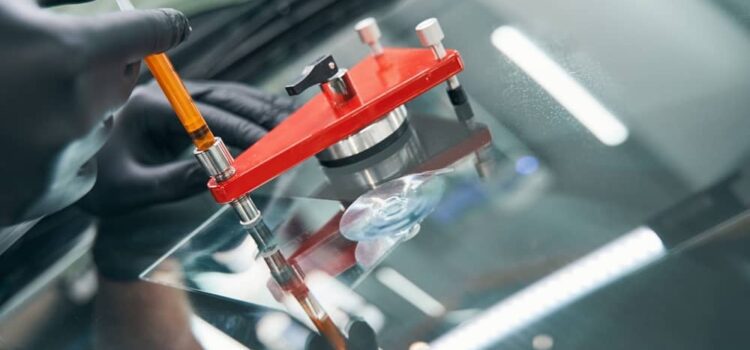
After a windshield replacement, the driver‑assist camera now looks through new glass. Even a slight shift changes what it sees and when safety features respond. Recalibration restores the camera to its factory alignment, ensuring alerts, steering support, and braking assistance function properly. When drivers consider windshield repair and replacement in Westchester, this step ensures the job is completed, not just the glass fit. If a small chip turns into a full replacement, plan calibration with it. For those exploring windshield repair in Westchester, NY, a documented calibration restores confidence in daily traffic and helps avoid inspection or claim delays that come from missing proof.
Why Recalibration is Essential
- Glass changes the camera’s aim by millimeters, which shifts distance estimates, lane edge detection, and sign recognition.
- Lane keeping, forward collision warning, and AEB depend on precise alignment to react on time and in the right direction.
- Without recalibration, drivers may see false alerts, missed warnings, steering nudges at the wrong time, or cruise systems that fail to hold distance.
- Automakers specify recalibration after replacement on most late‑model vehicles; it is part of a complete repair, not an add‑on.
What Drivers Should Confirm with the Shop?
- Method: confirm static, dynamic, or both for the exact make and model; ask for time and route needs.
- Setup: manufacturer‑approved targets, level surface, measured distances, lighting control, and clear lane markings for dynamic drives.
- Parts: OEM or OE‑equivalent glass, correct camera bracket, proper adhesive cure, and secure sensor seating to prevent image distortion.
- Proof: pre‑ and post‑scan results, cleared DTCs, and a written calibration report with pass status, VIN, technician ID, and date/time.
What Can Go Wrong if Drivers Skip it?
- Lane support may drift or miss a departure because the camera “sees” the lane in the wrong place.
- Forward collision warning may trigger too early or too late, which undermines trust and reduces protection.
- Automatic emergency braking may react slowly or fail to engage when obstacles appear.
- Missing documentation can delay inspections, insurance processing, or warranty support, adding extra trips and costs.
How Westchester Conditions Raise the Stakes
- Freeze–thaw cycles, potholes, and grit increase chip spread and replacement frequency, so calibration quality compounds over time.
- Dense traffic, frequent merges, and variable lane markings require precise sensing to keep driver assistance reliable on commutes.
- Winter grime and low contrast challenge camera confidence; accurate calibration helps the system maintain consistent performance.
Repair vs Replacement – Only Where it Affects Calibration
- Chip repairs outside the primary view often do not require calibration on many vehicles.
- Replacements typically require calibration on ADAS‑equipped vehicles; schedule calibration in the same visit to avoid repeat trips.
Driver Checklist for Peace of Mind
- Confirm by VIN whether the vehicle requires calibration and which method applies.
- Verify targets, measurements, surface level, lighting, and dynamic route conditions meet manufacturer guidance.
- Collect a signed calibration report with pass indicators and keep it with service and insurance records.
- Follow drive‑away and tape removal instructions; return if alerts reappear within the next 24–48 hours.
Get A Free Quote
Plan the service as a complete repair with documented ADAS recalibration when replacement occurs. If guidance is needed on windshield repair and replacement in Westchester, confirm the calibration method for the vehicle and request a post‑calibration report to keep with service records. For quick scheduling or a fast quote on windshield repair in Westchester, NY, contact ARCO Auto Glass at 866‑913‑2791 or visit our service page to book a convenient time.