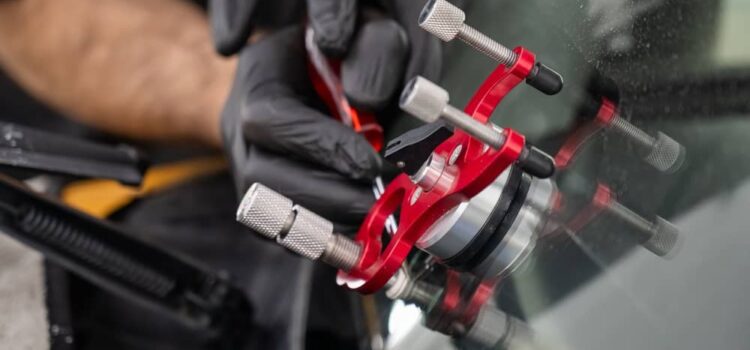
A vehicle’s windshield does much more than provide visibility on the road. It contributes to structural integrity, supports airbag deployment, and helps protect occupants during accidents. Because of its important role, even minor damage should never be overlooked.
Many drivers seek auto glass repair in the Bronx after discovering a crack or chip, but understanding what caused the damage can be just as important as repairing it. Identifying the source of windshield damage allows vehicle owners to take preventive measures, reducing the likelihood of future repairs and extending the lifespan of their auto glass.
Why Understanding Windshield Damage Matters
Windshield damage often appears suddenly, but the underlying causes are frequently preventable. Small chips can quickly spread into larger cracks due to environmental conditions, road hazards, and daily driving habits.
Recognizing common causes of damage can help drivers:
- Reduce repair and replacement costs
- Improve vehicle safety
- Prevent small chips from worsening
- Extend windshield durability
- Maintain clear visibility while driving
Taking a proactive approach can save both time and money in the long run.
Common Causes of Windshield Damage
Several factors contribute to windshield deterioration and unexpected breakage.
Road Debris
One of the most common sources of windshield damage is debris kicked up by other vehicles. Small rocks, gravel, and construction materials can strike the glass with significant force, causing chips or cracks.
Sudden Temperature Changes
Extreme temperature fluctuations place stress on automotive glass. Rapid heating or cooling can cause existing chips to expand into larger cracks.
Severe Weather Conditions
Hail, strong winds, and flying debris during storms can damage windshields and compromise their strength.
Poor Road Conditions
Potholes, uneven pavement, and rough roads create vibrations that may worsen existing glass damage over time.
Improper Installation
A windshield that is not installed correctly may be more susceptible to stress cracks and premature failure.
How Early Detection Prevents Expensive Repairs
Addressing windshield issues early is often the most cost-effective approach.
Small Chips Are Easier to Repair
Minor chips can frequently be repaired before they spread across the glass. Delaying repairs increases the likelihood of needing a full replacement.
Prevents Crack Expansion
Changes in temperature, moisture, and road vibrations can cause even small imperfections to grow larger over time.
Preserves Structural Integrity
A properly maintained windshield continues to provide essential support for the vehicle’s safety systems.
Reduces Long-Term Costs
Repairing minor damage is generally less expensive than replacing an entire windshield.
The Role of Windshield Damage Causes in Prevention
Understanding common windshield damage causes allows drivers to adopt habits that reduce risk. Preventive measures may include maintaining a safe following distance behind trucks, avoiding hazardous road conditions when possible, parking in covered areas during severe weather, and addressing chips immediately after they occur.
These simple practices can significantly lower the chances of developing extensive windshield damage that requires major repairs.
Practical Tips to Protect Your Windshield
Drivers can take several steps to minimize windshield damage.
Maintain Safe Following Distance
Keeping adequate space between vehicles reduces the risk of impact from flying debris.
Avoid Extreme Temperature Shock
Gradually warming or cooling the vehicle helps prevent stress on the glass.
Repair Chips Promptly
Even small chips should be evaluated before they develop into larger cracks.
Park Strategically
Whenever possible, choose covered parking to protect the windshield from weather-related damage.
Perform Regular Inspections
Routine checks can help identify minor issues before they become significant problems.
Windshield Damage Prevention vs. Delayed Action
| Preventive Approach | Delayed Response |
| Identifies issues early | Damage often worsens |
| Helps reduce repair costs | Higher replacement expenses |
| Maintains vehicle safety | Increased structural risk |
| Preserves windshield lifespan | Shortened glass lifespan |
| Supports clear visibility | Visibility may be compromised |
Conclusion
Understanding the factors that contribute to windshield damage is an important step toward reducing repair costs and maintaining vehicle safety. By recognizing common causes, monitoring glass condition regularly, and addressing minor issues early, drivers can help prevent small problems from becoming expensive repairs. A proactive approach not only extends the life of the windshield but also supports safer driving conditions throughout the year.
FAQ
-A: Road debris, such as rocks and gravel thrown by other vehicles, is one of the leading causes of windshield chips and cracks.
– A: Yes. Temperature changes, moisture, and road vibrations can cause minor chips to spread over time.
– A: It is generally best to address chips and cracks as soon as possible to prevent further deterioration.
– A: Yes. Extreme heat, cold, hail, and rapid temperature changes can contribute to crack expansion and glass stress.
– A: While not all damage can be avoided, preventive driving habits and regular inspections can significantly reduce the risk.